New Study: CBD and CBG Components in Cannabis Plants May Effectively Inhibit and Disrupt Cariogenic BiofilmsIssuing time:2026-09-30 12:21
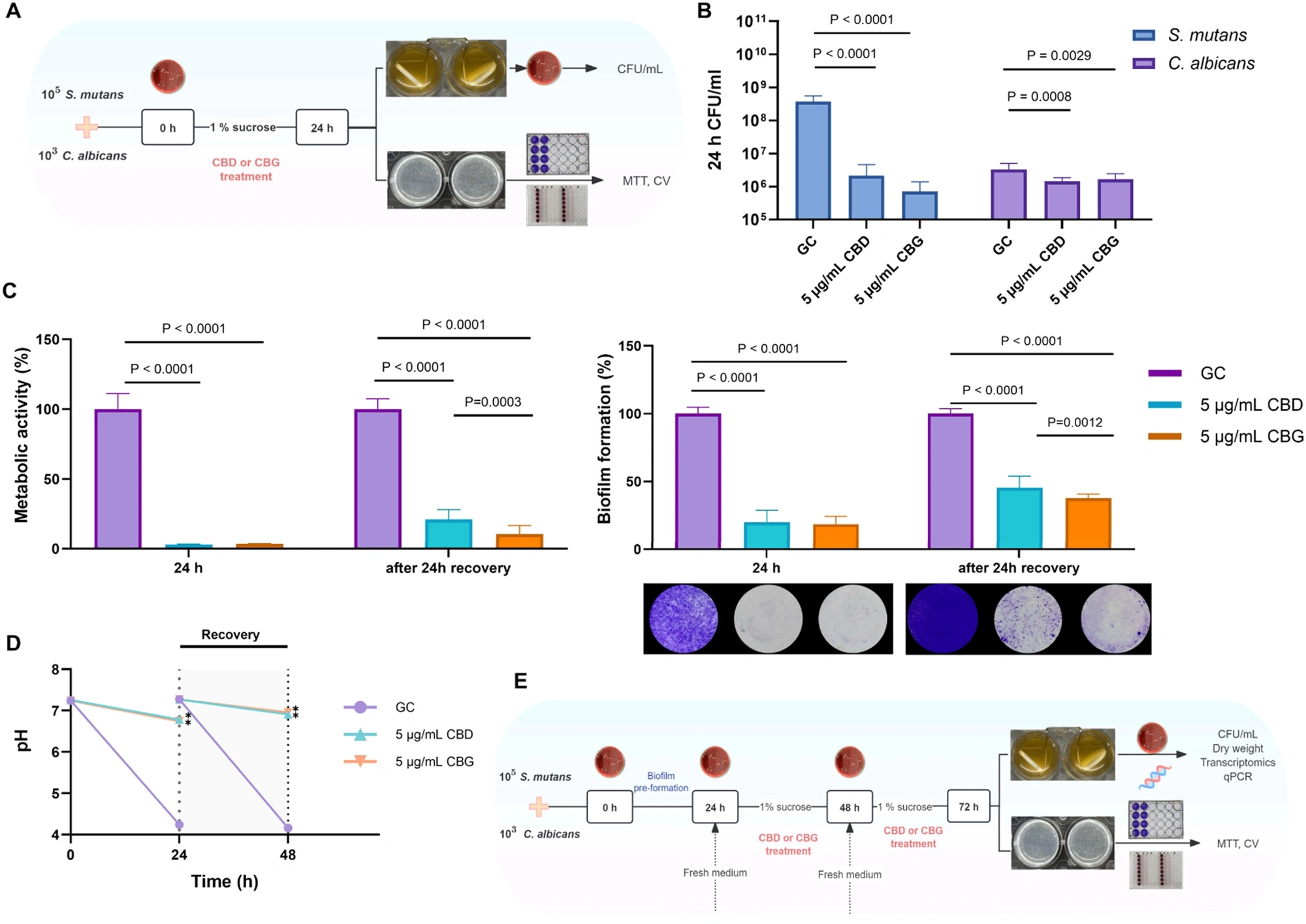
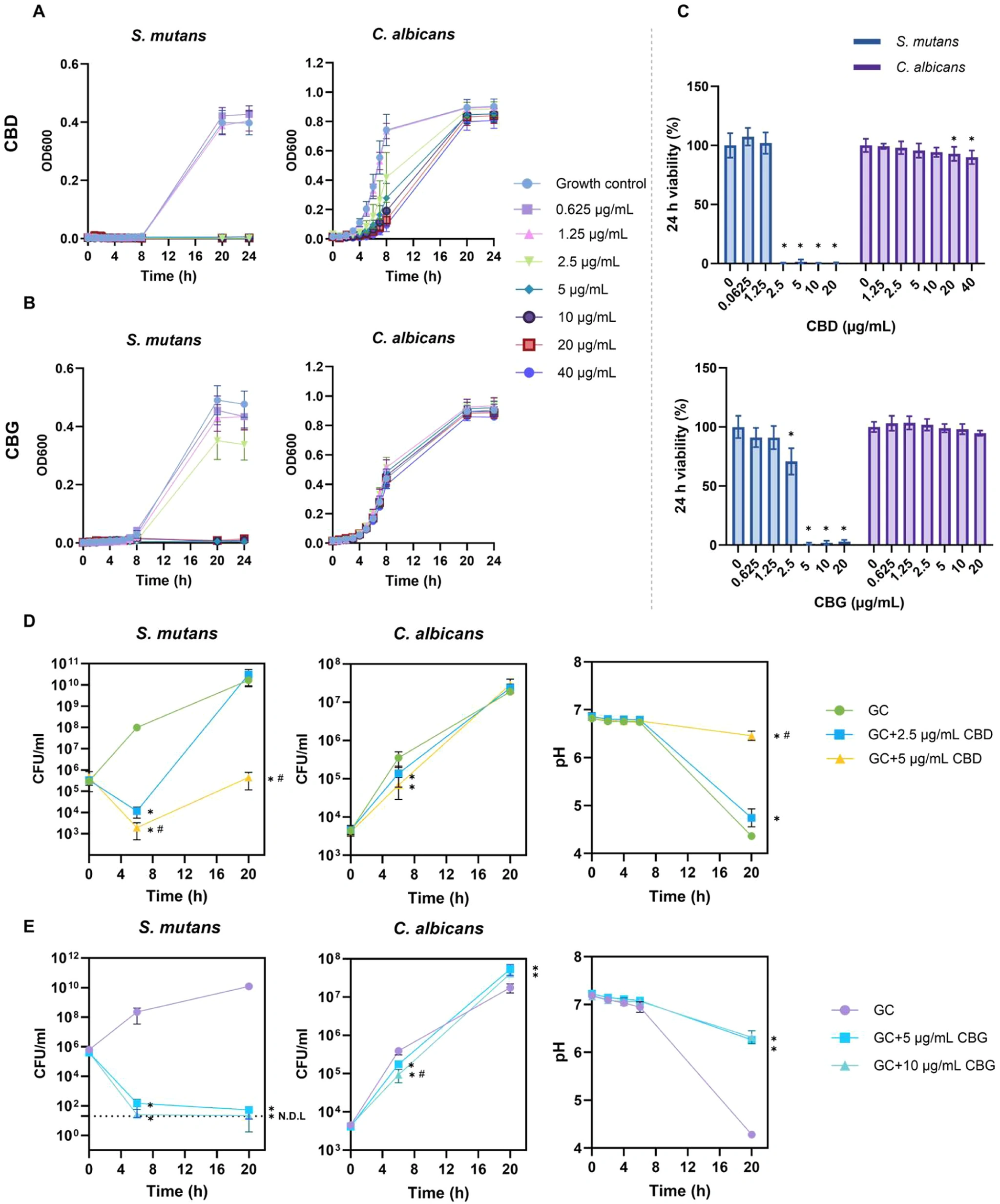
DentalGoodNews|In September 2026, an in vitro experimental study published in the "International Dental Journal" showed that cannabidiol (CBD) and cannabigerol (CBG), the non-psychoactive components of the cannabis plant, can inhibit the formation of biofilms that cause Dental caries|Tooth decay and disrupt existing biofilms. The research team constructed a bacterial-fungal dual-species biofilm model containing the cariogenic bacterium Streptococcus mutans and the fungus Candida albicans, and evaluated the inhibitory effects of these two compounds. The experimental results showed that when the model was treated with CBD or CBG at a concentration of 5 µg/mL, the viable count of S. mutans decreased by more than 2 log orders, and the survival of C. albicans was also inhibited. In terms of biofilm formation, metabolic activity decreased by 96%, and total biofilm mass decreased by 80%. In the mature dual-species biofilm model under continuous treatment, CBD reduced S. mutans survival by 92% and 95% at 48 hours and 72 hours, respectively; CBG reduced it by 90% and 92%, respectively.
The researchers noted that previous evidence mostly came from single-species models and had not verified whether CBD and CBG could inhibit more pathogenic and more resistant mixed-species biofilms. The researchers stated that this is the first study to evaluate the effectiveness of CBD and CBG in bacterial-fungal dual-species biofilm communities. The results showed that although mixed-species biofilms are generally more resistant, the two compounds still maintained inhibitory effects on caries-related phenotypes such as total biofilm mass, metabolic activity, acid production, and exopolysaccharide synthesis. In addition, the researchers noted that the study has certain limitations: the experiment was based on an in vitro model constructed with hydroxyapatite discs, which could not encompass complex factors such as 牙菌斑|Dental plaque|Plaque, salivary flow, dietary fluctuations, and host immune responses, and only a single laboratory strain was used. Transcriptomic analysis was also sampled at only a single time point, and proteomic or metabolomic validation is still lacking. The research team stated that the relevant mechanistic conclusions currently remain at the hypothesis-generating stage. This study is only an in vitro study, and the results cannot be directly extrapolated to human clinical applications. Subsequent in vivo and clinical studies are still needed.
【GOODNEWS】 Content for industry reference only (based on public info & professional judgment); not for decision-making. Readers bear full responsibility for their own judgment and risks.
Copyright © This Platform. Unauthorized reproduction & commercial use prohibited.
Errata, contributions & cooperation: Contact customer service via WeChat:HDSW_001
|
✉️
Subscribe to Our
Newsletter
We curate important stories and exclusive insights, delivered straight to your inbox.
In-depth analysis · Exclusive content · Fast-moving news
|