Wuhan University Research Team: Approximately One-Quarter of Global Dental Students Experience BurnoutIssuing time:2026-03-11 14:45
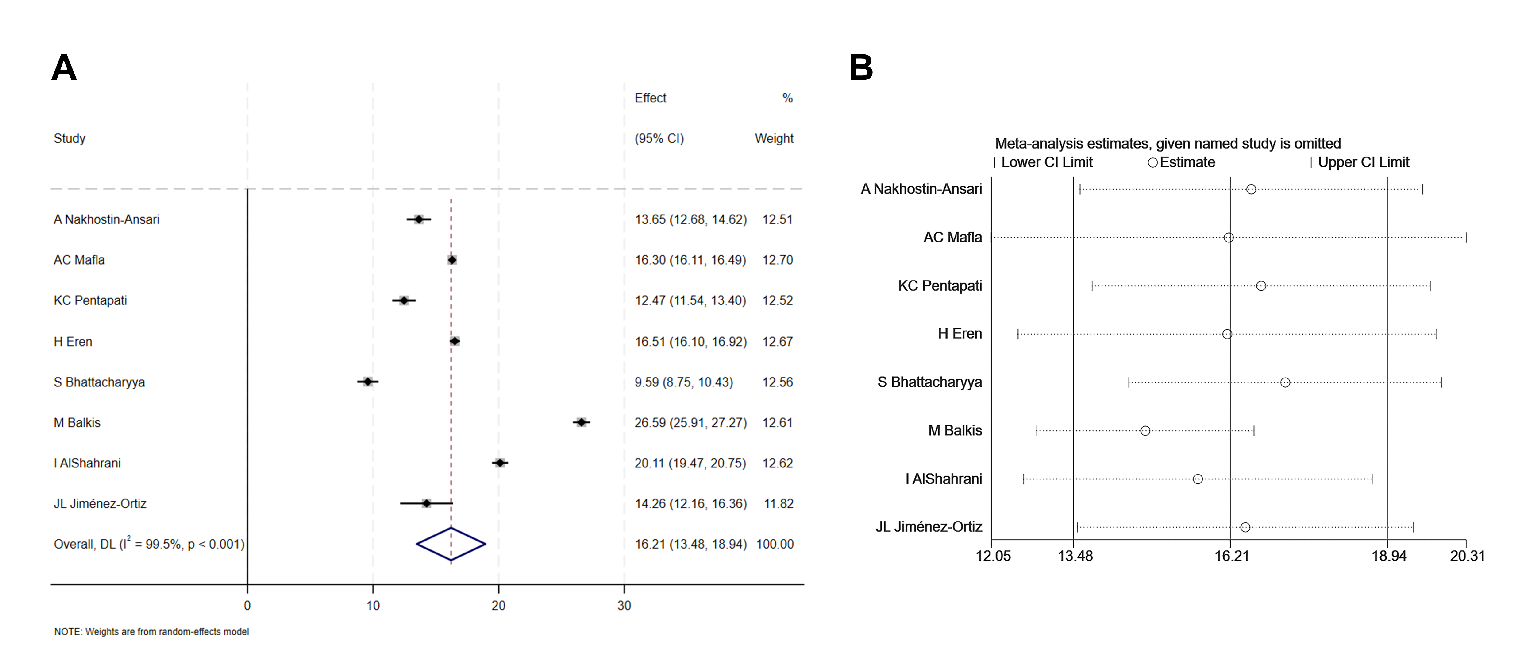
DentalGoodNews | A recent systematic review and meta-analysis (n=11,433) published in BMC Medical Education by a research team from the School and Hospital of Stomatology, Wuhan University, reveals that the overall prevalence of burnout among dental students worldwide is approximately 26.5%. This indicates that about one in four dental students is experiencing burnout. The study systematically searched four major databases—PubMed, Web of Science, Scopus, and EBSCO—and included research literature published between January 2000 and August 18, 2025. Ultimately, 27 studies were included, covering 11,433 dental students from Asia (51.9%), Europe (22.2%), South America (14.8%), and North America (11.1%). Using a random-effects model and the Freeman-Tukey double arcsine transformation method, all included studies employed the standard burnout measurement tool MBI (Maslach Burnout Inventory). The results show that dental students generally exhibit moderate to high levels in the dimensions of Emotional Exhaustion (EE) and Depersonalization/Cynicism (DP/CY), while their sense of Professional Efficacy or Personal Accomplishment (PE/PA) is relatively low. The findings suggest that in the high-intensity learning and clinical training environment, dental students commonly face significant psychological and emotional pressure. Furthermore, the researchers summarized several factors associated with burnout among dental students: demographic factors such as being female, being in a higher academic year, younger age, single status, and living alone are correlated with higher levels of emotional exhaustion. Psychological and educational factors, including depressive symptoms, perceived stress, excessive course load, low educational satisfaction, and poor academic performance, are also identified as significant risk factors. Conversely, regular exercise, social activities, and higher levels of social support may have a protective effect in reducing the risk of burnout. The researchers point out that compared to other medical-related professions, dental education typically requires students to engage in clinical operative training at an earlier stage, while simultaneously facing multiple pressures such as precise technical operations, patient communication, and aesthetic treatment demands. These factors collectively increase the risk of burnout. Without timely intervention, this may affect students' mental health, professional identity, and the quality of future healthcare services. Additionally, the research team suggests that dental schools could implement interventions at multiple levels, including optimizing curriculum structure, building psychological support systems, and providing stress management training. For example, introducing psychological screening, stress management, and mindfulness training, while optimizing the pace of coursework and clinical training, could help reduce the risk of burnout during the educational phase and promote students' long-term career development. The issue of burnout is not confined to the student phase. Previously, DGN reported on a UK survey of 1,507 dental practitioners, which found that over 60% of respondents exhibited signs of emotional exhaustion, and about 10% of dentists showed signs of burnout. This meta-analysis suggests that this problem may begin to accumulate as early as the student stage. It is worth noting that the researchers indicated certain limitations in this study: the 27 included studies showed high heterogeneity (I²=98.2%). Differences in regional educational systems, curriculum settings, and cultural backgrounds may have influenced the results, and the generalizability of the conclusions requires further validation through more specific studies.
【GOODNEWS】 Content for industry reference only (based on public info & professional judgment); not for decision-making. Readers bear full responsibility for their own judgment and risks.
Copyright © This Platform. Unauthorized reproduction & commercial use prohibited.
Errata, contributions & cooperation: Contact customer service via WeChat:HDSW_001
|
✉️
Subscribe to Our
Newsletter
We curate important stories and exclusive insights, delivered straight to your inbox.
In-depth analysis · Exclusive content · Fast-moving news
|