New Study: Universal Adhesive Stored at 35°C for Over 14 Days After Opening Shows More Than 30% Drop in Zirconia Bond StrengthIssuing time:2026-10-08 12:26
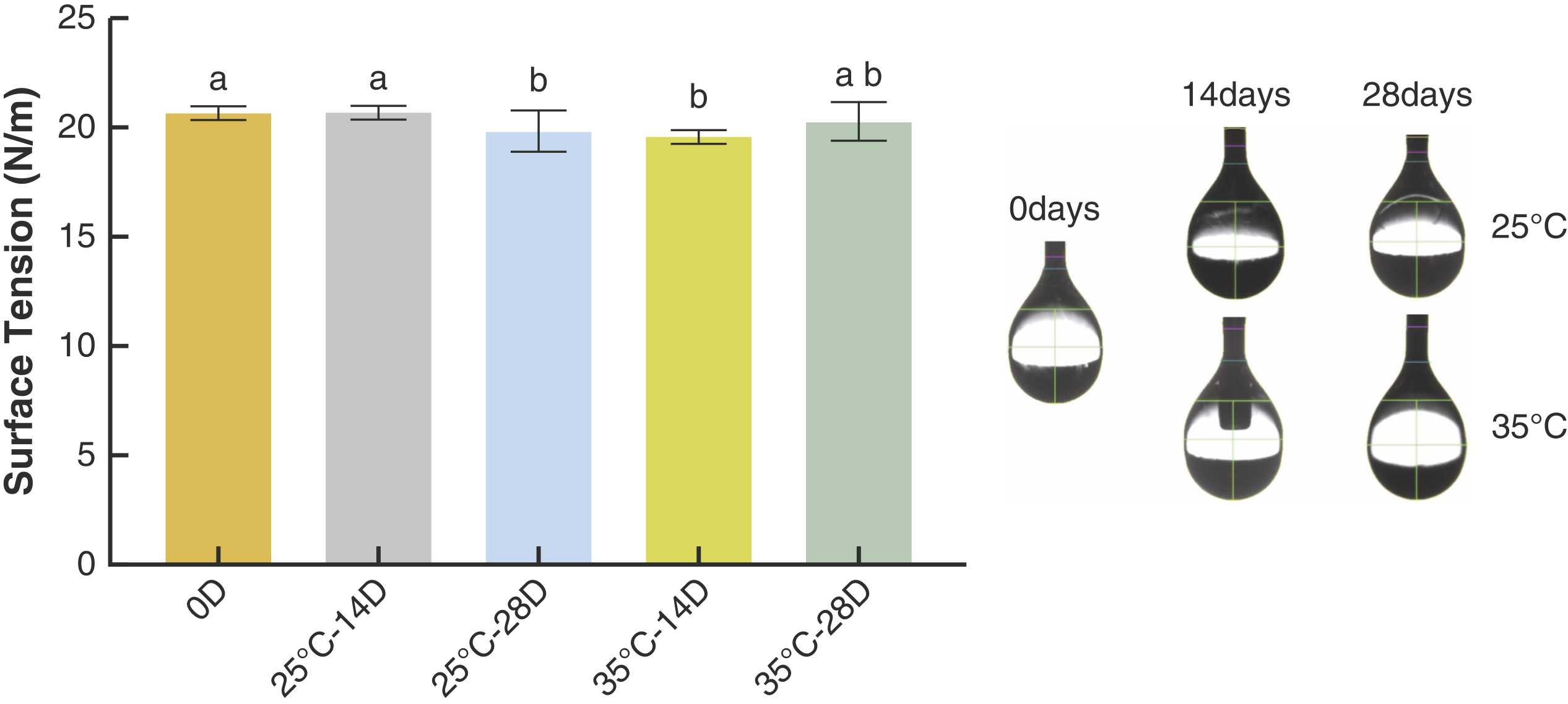
DentalGoodNews|In September 2026, an in vitro experiment (n=100) published in The Journal of Prosthetic Dentistry showed that the storage temperature of a universal adhesive system after opening had a statistically significant effect on its zirconia bonding performance (the article reported a statistically significant difference, P<.05). The study selected Scotchbond Universal Plus from 3M/Solventum Corporation | NYSE: SOLV as a single-bottle universal adhesive, combined with RelyX Universal Resin Cement | RC, to evaluate the system's performance after storage at 25°C and 35°C for different durations (0, 14, and 28 days). The experimental results showed that although the surface tension of the adhesive (19.41–22.81 N/m) fluctuated only slightly during storage, its contact angle on the zirconia surface increased significantly with storage time and temperature, reaching a maximum of 19.96°.
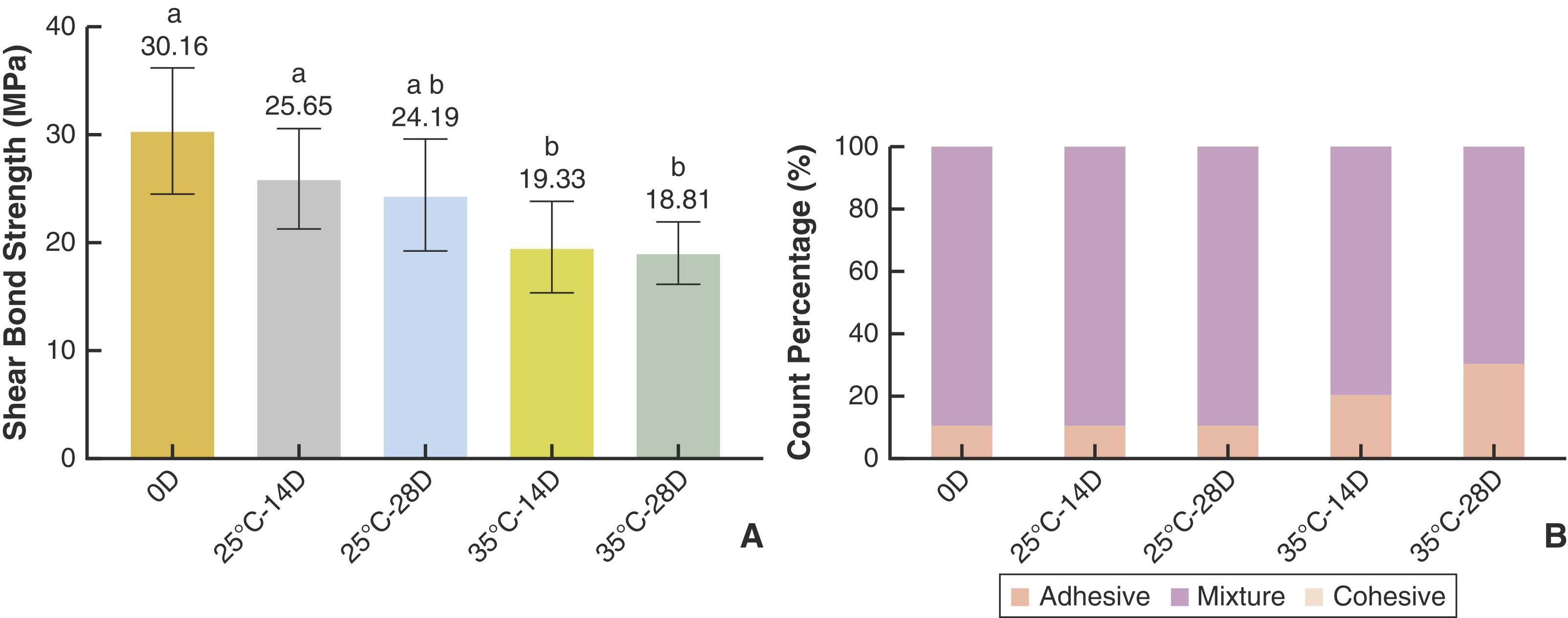
The corresponding shear bond strength (SBS) decreased as wettability declined. The data showed that the immediate-use group had a higher SBS (approximately 30.16 MPa); after 28 days of storage at 35°C, this value was 18.81 MPa. Statistical analysis indicated a moderate negative correlation between contact angle and SBS (r = -0.35, P = 0.013), suggesting that changes in wettability may be one of the mechanisms underlying the performance decline. Failure mode observation showed that under 25°C storage conditions, mixed failure was dominant (90%); in the 35°C high-temperature group, the proportion of adhesive failure was higher.
The researchers pointed out that the zirconia shear bond strength obtained with Scotchbond Universal Plus adhesive was higher when used immediately after opening; after 28 days of storage at approximately 25°C room temperature, SBS showed no significant decrease; however, after 14 or 28 days of storage at 35°C, SBS decreased and the proportion of adhesive failure was higher. In addition, the researchers noted that the study has certain limitations: the experiment was conducted on only a single adhesive system with short-term (28-day) observation, and did not include aging protocols such as long-term water storage or thermocycling. Relevant conclusions should be extrapolated to other materials or long-term clinical performance with caution, and the results still require clinical human trials for verification.
【GOODNEWS】 Content for industry reference only (based on public info & professional judgment); not for decision-making. Readers bear full responsibility for their own judgment and risks.
Copyright © This Platform. Unauthorized reproduction & commercial use prohibited.
Errata, contributions & cooperation: Contact customer service via WeChat:HDSW_001
|
✉️
Subscribe to Our
Newsletter
We curate important stories and exclusive insights, delivered straight to your inbox.
In-depth analysis · Exclusive content · Fast-moving news
|