New Research on Enamel Regeneration: Notch-Activated Ameloblast Organoids Achieve In Vivo Enamel-Like Mineralization for the First TimeIssuing time:2026-07-10 18:25
DentalGoodNews|A recent in vitro and animal study published in the "International Journal of Oral Science" shows that a research team, using an artificially designed Notch signaling agonist, successfully induced the maturation of human induced pluripotent stem cell (hiPSC)-derived ameloblasts without co-culture with odontoblasts. The study also confirmed the ability of these cells to generate enamel-like mineralized substances in an animal model. Additionally, the researchers explored the regulatory role of the transcription factor DLX3 in this process. 牙釉质|Enamel, as the hardest mineralized substance in the human body, cannot naturally regenerate once damaged. Current clinical dental treatments primarily rely on restorative materials, Dental Crowns, or veneers for repair, without achieving true biological regeneration of 牙釉质|Enamel. Ameloblasts exist only during tooth development and undergo apoptosis upon tooth eruption, resulting in the loss of enamel regeneration capability in humans. Since their maturation was previously believed to require close contact with Odontoblasts, reconstructing this process in vitro has been a challenge in the field of oral biological regeneration.
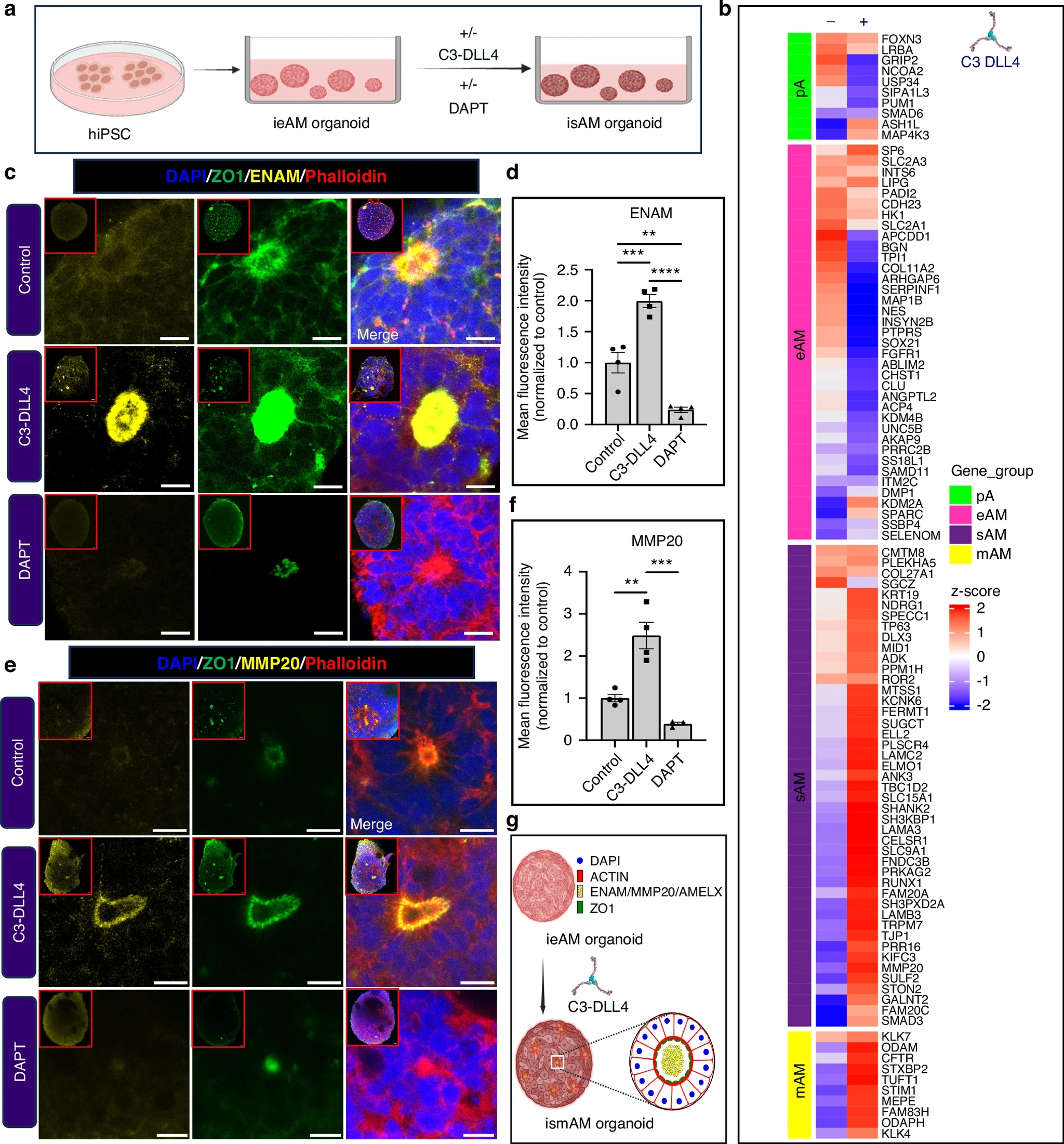
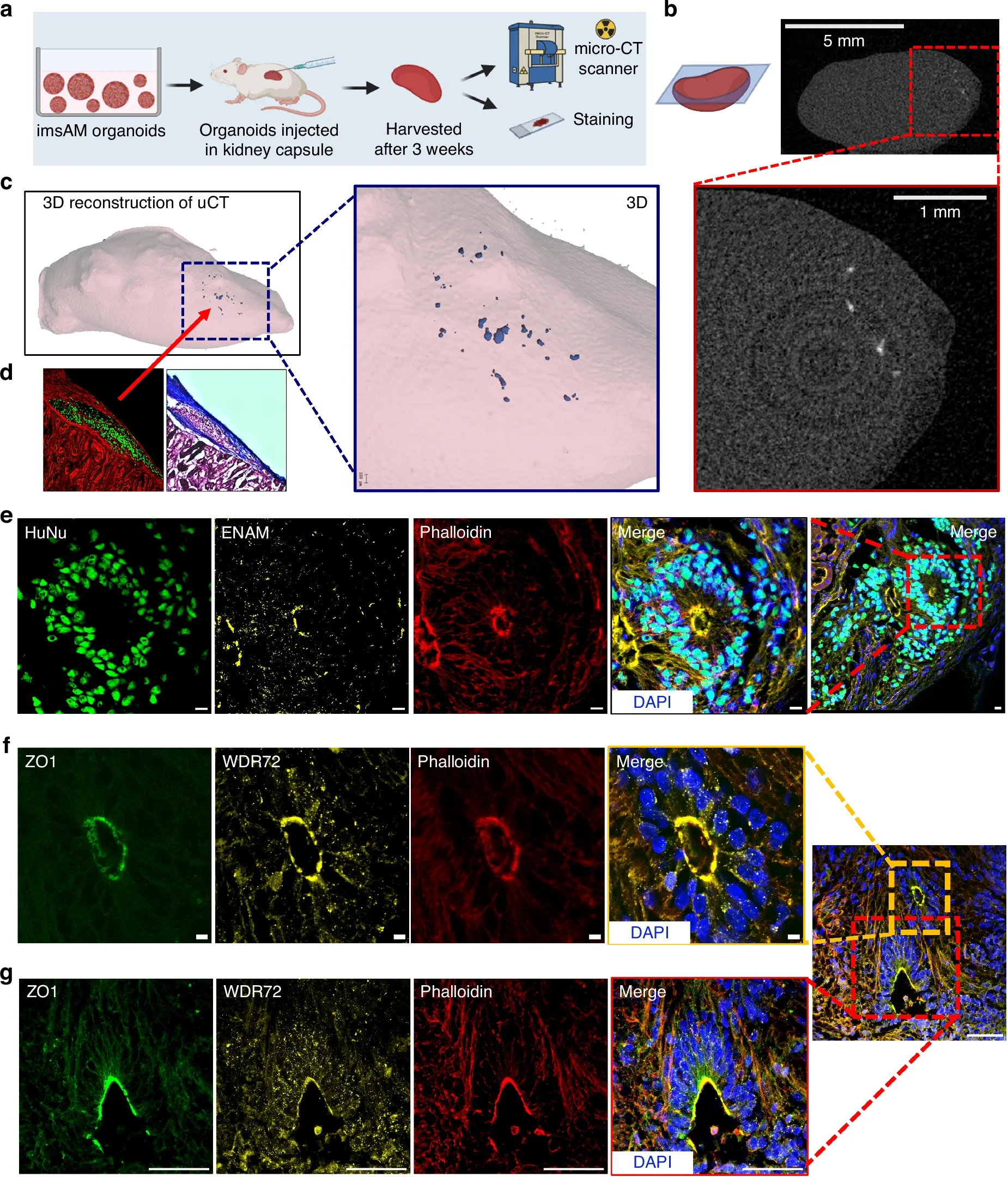
Through single-cell sequencing data analysis, the research team found that Notch signaling may be a key pathway for communication between Odontoblasts and Ameloblasts. Specifically, Notch ligands such as DLL1 and DLL4 are mainly expressed on the Odontoblast side, while receptors like NOTCH1, NOTCH2, and NOTCH3 are primarily expressed on the Ameloblast side, suggesting that Delta-Notch signals from Odontoblasts may drive Ameloblast maturation. To this end, the team treated human Ameloblast organoids with an artificially designed soluble Notch agonist, C3-DLL4. Study data showed that the treated organoids highly expressed multiple maturation markers and exhibited corresponding cellular morphology and structural characteristics. To verify functionality, the researchers transplanted the induced mature organoids under the renal capsule of immunodeficient NOD-SCID mice. MicroCT and histological analysis after 3 weeks confirmed that the transplanted tissue generated enamel-like calcified substances. According to the researchers, this is the first demonstration that artificially Notch-activated induced Ameloblast organoids can form such tissue in vivo.
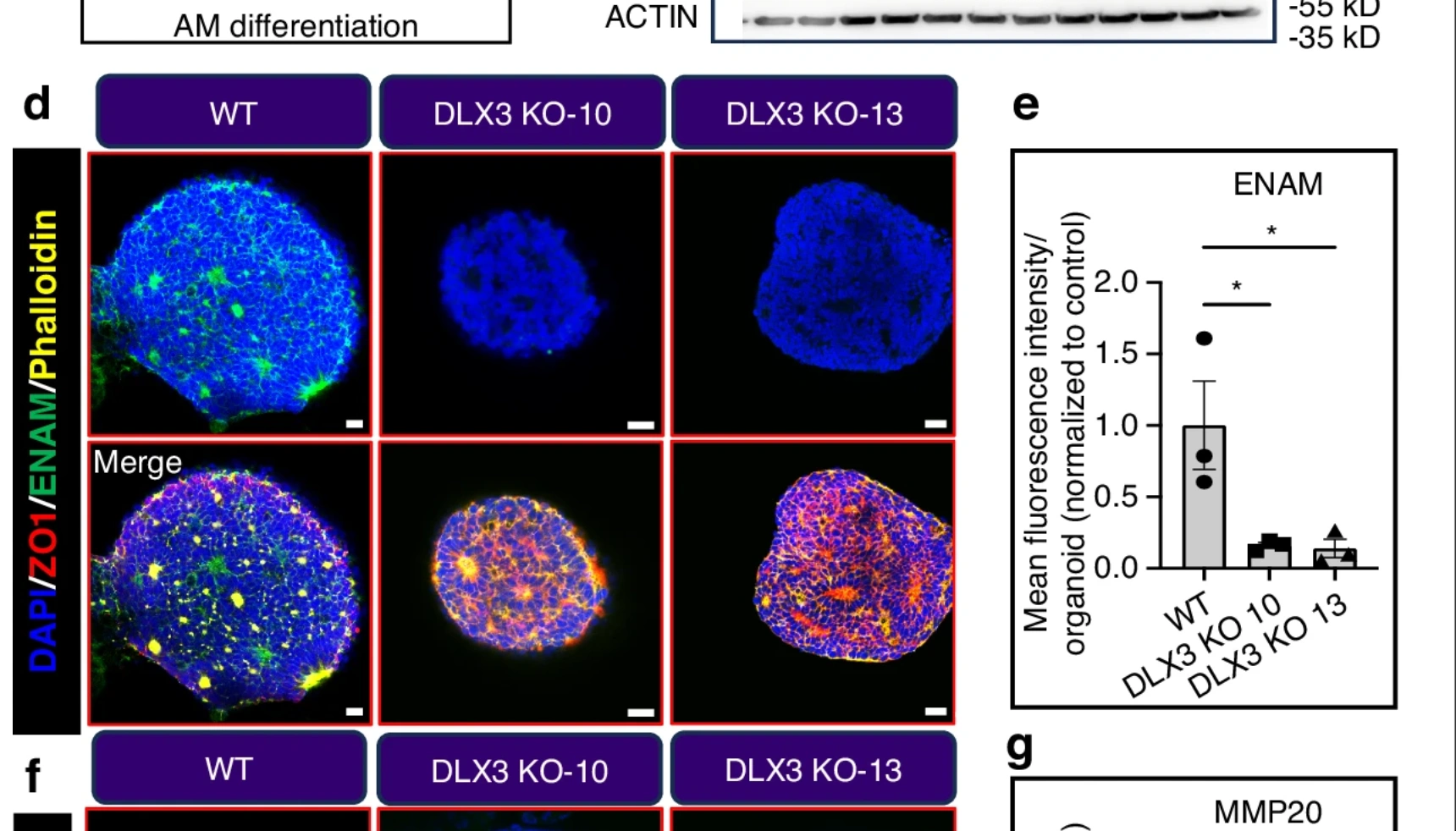
Furthermore, the study also examined the cell-autonomous role of the DLX3 gene in human Ameloblasts. The researchers analyzed DLX3's regulatory function in activating enamel-related gene programs, concluding that DLX3 is a necessary cell-autonomous transcriptional regulator for the terminal maturation of human Ameloblasts. This may provide a reference for future research on the mechanisms of hereditary enamel developmental disorders such as Amelogenesis Imperfecta. The research is still at the experimental stage. Although C3-DLL4-treated human Ameloblast organoids have formed enamel-like calcified substances in mice, animal experiment conclusions cannot be directly extrapolated to clinical applications. More validation is needed before practical clinical use.
Article classification:
Stomatology
【GOODNEWS】 Content for industry reference only (based on public info & professional judgment); not for decision-making. Readers bear full responsibility for their own judgment and risks.
Copyright © This Platform. Unauthorized reproduction & commercial use prohibited.
Errata, contributions & cooperation: Contact customer service via WeChat:HDSW_001
|
✉️
Subscribe to Our
Newsletter
We curate important stories and exclusive insights, delivered straight to your inbox.
In-depth analysis · Exclusive content · Fast-moving news
|