New Perspectives on Periodontitis Management: Short-Term Caloric Restriction May Reduce Gingival InflammationIssuing time:2026-06-16 18:34
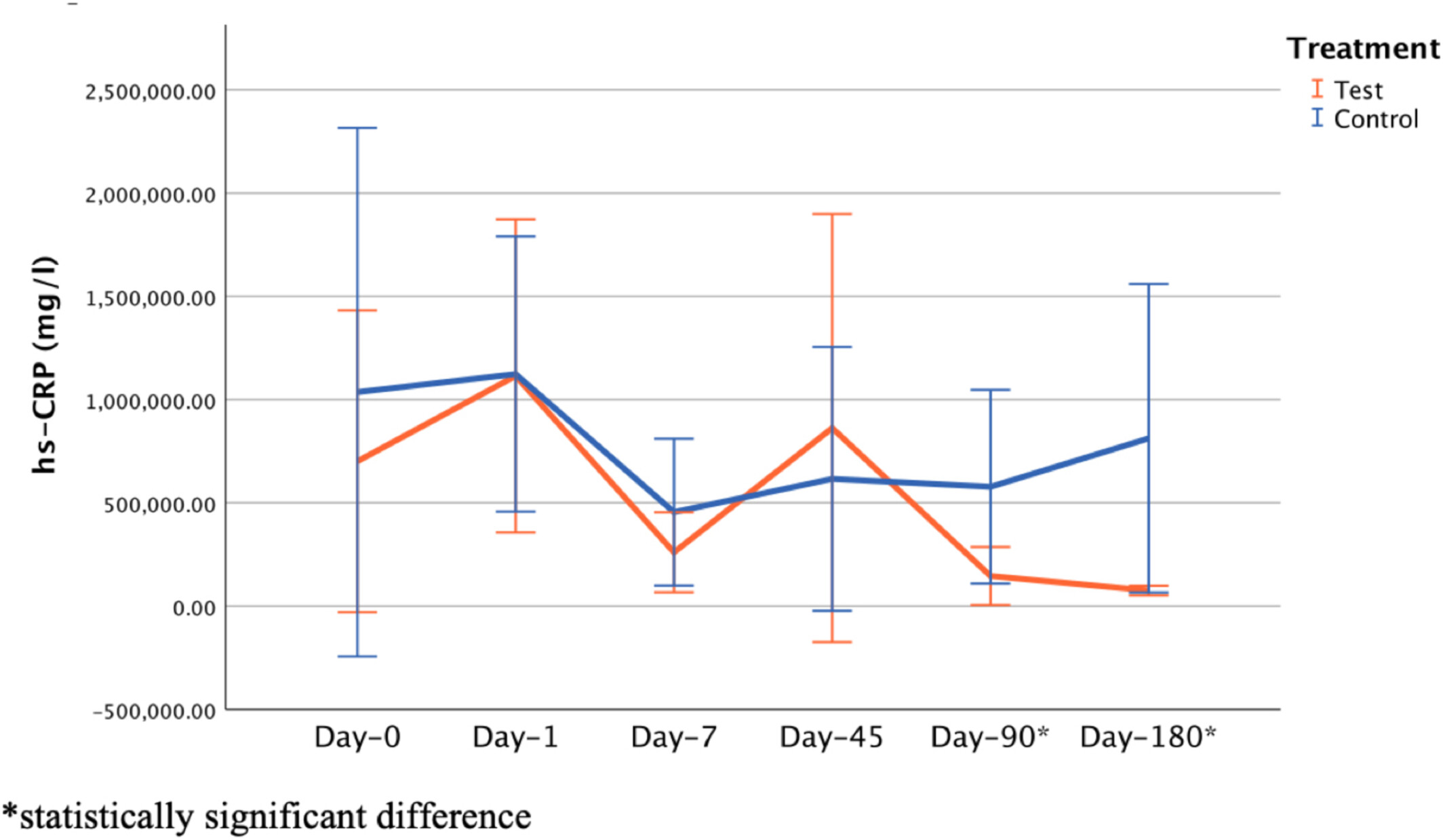
DentalGoodNews|A recent study conducted by King's College London and other institutions shows that short-term cyclic fasting-mimicking diet (FMD), as an adjunctive intervention to non-surgical periodontal treatment, is associated with a decrease in certain inflammatory markers in the blood and gingival crevicular fluid of periodontitis patients, providing new exploratory evidence for the adjunctive management of periodontitis. The study was published in the "Journal of Clinical Periodontology" (JCP). The research included 28 periodontitis patients from multiple hospitals and university periodontal departments in Spain, employing a multicenter randomized controlled feasibility trial design. Participants were divided into two groups: the intervention group followed a fasting-mimicking diet regimen while receiving periodontal treatment; the control group maintained a regular diet while receiving the same periodontal treatment. In the intervention group, each dietary cycle lasted five days: the first two days involved an intake of approximately 1,100 kilocalories per day, reduced to about 750 kilocalories for the following three days; on the sixth day, calories were gradually increased through soft foods, and normal diet resumed on the seventh day. This regimen was implemented over three cycles, with follow-up completed within six months. The study showed that participants in the intervention group had good compliance with the regimen, meeting overall feasibility criteria, with only mild adverse reactions reported. During the follow-up period, the research team collected and analyzed blood and gingival crevicular fluid samples from participants. Results indicated that, compared to the control group maintaining a regular diet, the intervention group showed a trend toward lower systemic inflammatory markers at later time points, including serum high-sensitivity C-reactive protein (hs-CRP). Additionally, certain biomarkers related to local periodontal inflammation in the gingival crevicular fluid, such as MMP-8 and IL-6, also showed a decreasing trend in the intervention group. However, the research team also pointed out that although the fasting-mimicking diet was associated with changes in local and systemic inflammatory responses, no significant differences in periodontal clinical parameters were observed between the two groups. That is, the intervention currently reflects exploratory changes at the level of inflammatory markers, and no definitive conclusions on clinical efficacy can be drawn from this. Regarding potential mechanisms, the paper and research team proposed several hypotheses. Professor Luigi Nibali from King's College London stated that fasting may work by reducing oxidative stress in the body. High-calorie foods and refined carbohydrate intake, such as cakes and cookies, may also promote inflammatory responses, so limiting such food intake could help reduce inflammation levels in the body. Additionally, fasting may affect the human microbiome, but this relationship requires further research for confirmation. Dr. Giuseppe Mainas, the first author, stated that the study results suggest lifestyle interventions may become an important component of periodontitis patient management, alongside basic measures like proper brushing and plaque control. Traditional periodontitis treatment primarily focuses on clearing infected areas around teeth, controlling plaque, and improving oral hygiene, while this study suggests that lifestyle factors such as diet may serve as adjunctive management directions beyond conventional treatment in the future. Furthermore, the research team emphasized that the fasting-mimicking diet is not suitable for all patients. For specific populations such as diabetes patients, dietary restrictions may pose risks, and related recommendations need to be tailored to individual patient circumstances. The team plans to conduct larger-scale studies in the future and further explore how to safely achieve potential benefits in high-risk populations. This study continues the research direction of King's College London in recent years regarding the relationship between periodontal health and systemic health. In September 2025, the team found that the Mediterranean diet was associated with improved gum health; in November of the same year, another study found an association between endodontic treatment|root canal treatment and reduced risks of cardiovascular disease and diabetes. The research team believes that lifestyle management, such as dietary interventions, may serve as a complementary direction to traditional periodontal treatment in the future, but more clinical evidence is needed for support.
【GOODNEWS】 Content for industry reference only (based on public info & professional judgment); not for decision-making. Readers bear full responsibility for their own judgment and risks.
Copyright © This Platform. Unauthorized reproduction & commercial use prohibited.
Errata, contributions & cooperation: Contact customer service via WeChat:HDSW_001
|
✉️
Subscribe to Our
Newsletter
We curate important stories and exclusive insights, delivered straight to your inbox.
In-depth analysis · Exclusive content · Fast-moving news
|