New Study: Periodontal Ligament-Integrated Dental Implants May Show Preliminary Clinical FeasibilityIssuing time:2026-06-09 12:47
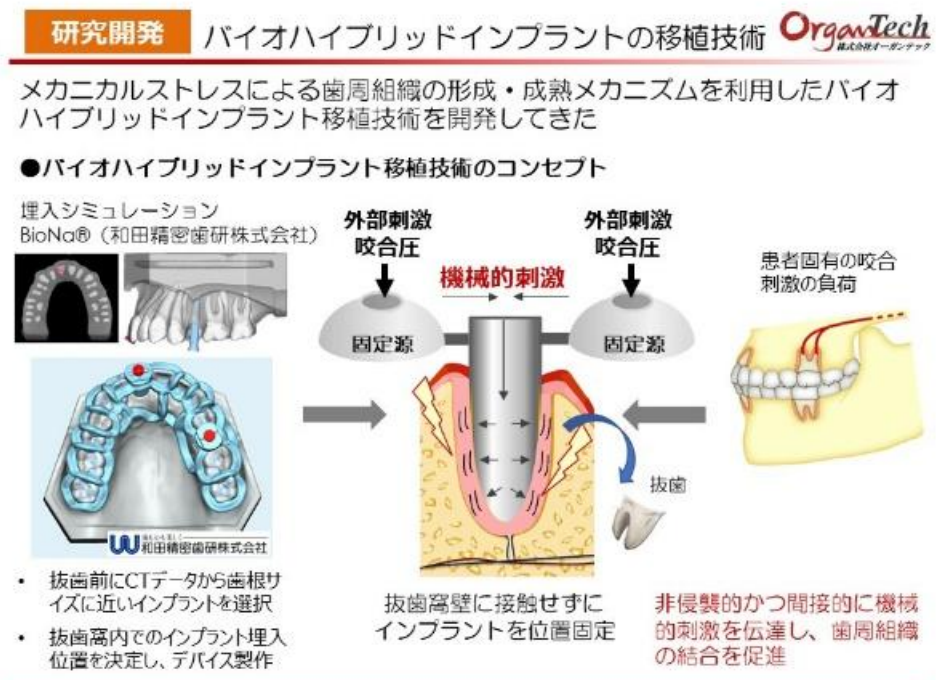
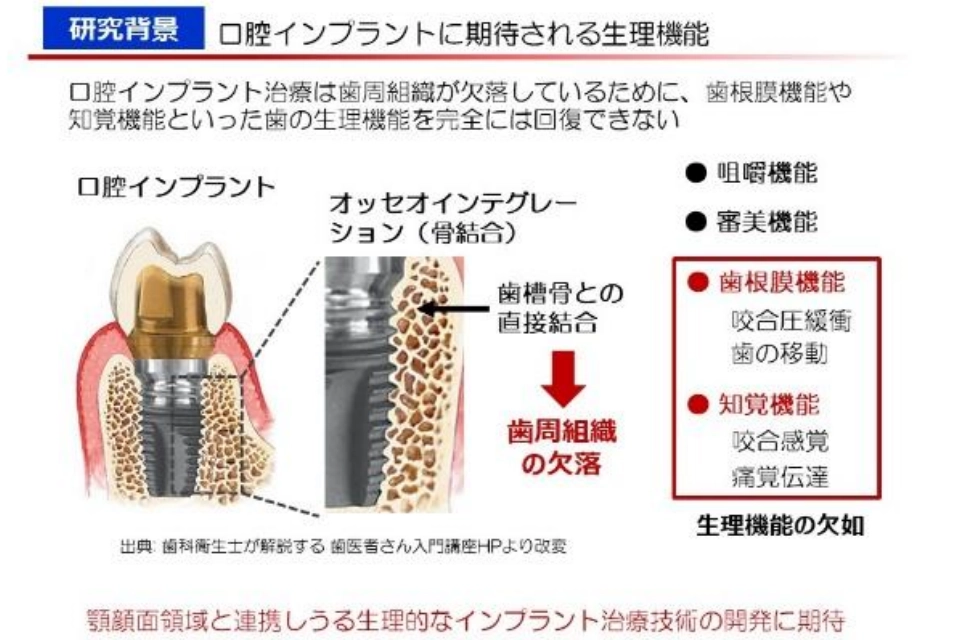
DentalGoodNews|Recently, the Dental Clinic and Maxillofacial Implant Center of Southern Tohoku General Hospital in Japan reported early progress from a small-scale specific clinical study (4 cases) on a "Periodontal Ligament-Integrated Implant" (Bio-hybrid Implant). The report indicated that all subjects showed "examination values close to those of natural teeth" during assessments at 18-24 weeks post-surgery, though the provided materials did not specify the measurement criteria. Additionally, the report noted preliminary signs of integration between the teeth and jawbone, and no inflammatory manifestations such as swelling or bleeding at the implant site were observed up to 24 weeks post-surgery. The NRS pain score was 0 for all cases, and no abnormalities were detected in the dental implant or related devices. The research team pointed out that the current clinical study is planned to continue until 44 to 48 weeks post-surgery, at which point the final safety and implantation efficacy assessments will be completed. The team expects to remove the auxiliary fixation lateral screws and implantation devices around 36 weeks post-surgery, allowing the periodontal ligament-integrated implant to function independently in the oral cavity and undergo independent monitoring. This technology was developed by the research team at Southern Tohoku Medical Clinic (including Emeritus Professor Shohei Kasugai and Masamitsu Oshima from Tokyo University of Science) in collaboration with OrganTech Inc. According to the research team, unlike traditional implants that rely solely on osseointegration, this novel "bio-hybrid implant" aims to utilize residual periodontal ligament tissue in the extraction socket to achieve a connection between the implant fixture and alveolar bone mediated by periodontal tissue. The periodontal ligament plays a core role in supporting teeth, cushioning occlusal forces, and providing sensory feedback, functions that traditional implants often fail to replicate due to the lack of such tissue.
The research team officially launched this specific clinical study (jRCTs022240055) on February 1, 2025, and completed patient enrollment in October of the same year. The current interim report covers four cases where the periodontal ligament-integrated implant (also referred to as the "bio-hybrid implant") was placed. To date, three patients have completed the 24-week post-surgery implant assessment, and one patient has completed the 18-week post-surgery assessment. The development of this technology builds on the research team's long-term work on "Bio-hybrid Implants." As disclosed by the research team, researchers including Masamitsu Oshima first validated in a mouse model that forming periodontal tissue around the implant fixture could restore neural sensory function and physiological mobility similar to natural teeth, with findings published in "Scientific Reports." Subsequently, the team further developed a technical pathway to directly achieve implantation using residual healthy periodontal tissue in the extraction socket and designed auxiliary devices to transmit occlusal stimulation, promoting the formation and maturation of periodontal tissue.
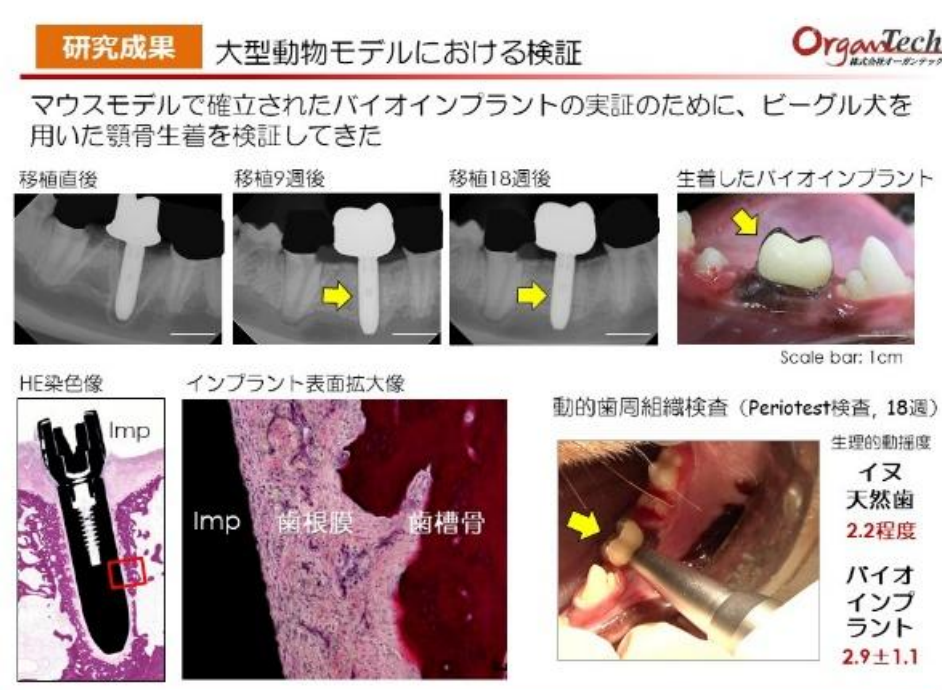
In large animal validation, histological analysis at 18 weeks post-surgery revealed the formation of periodontal tissue structures around the implant fixture resembling those of natural teeth. Electron microscopy observations also identified cementum and Sharpey's fibers on the implant fixture surface, suggesting the establishment of functional connections between the implant fixture and surrounding tissue. For the field of implant dentistry, this study to some extent reflects the research team's exploration of an alternative technical pathway beyond traditional osseointegrated implants, namely, a connection between the implant fixture and alveolar bone mediated by periodontal tissue. However, it should be noted that the currently published results are based on interim observations from only four cases and have not yet completed all follow-ups and endpoint assessments. Findings such as "examination values close to natural teeth" and "no significant inflammation, pain, or device abnormalities" can be regarded as early progress in this study. Further validation of its clinical efficacy and safety will require additional cases and long-term follow-up data.
Article classification:
Stomatology
【GOODNEWS】 Content for industry reference only (based on public info & professional judgment); not for decision-making. Readers bear full responsibility for their own judgment and risks.
Copyright © This Platform. Unauthorized reproduction & commercial use prohibited.
Errata, contributions & cooperation: Contact customer service via WeChat:HDSW_001
|
✉️
Subscribe to Our
Newsletter
We curate important stories and exclusive insights, delivered straight to your inbox.
In-depth analysis · Exclusive content · Fast-moving news
|