University of Pennsylvania Develops Bioengineered Chewing Gum Capable of Simultaneously Removing Two Oral Cancer-Related Carcinogenic BacteriaIssuing time:2026-04-21 11:02
DentalGoodNews|On April 21, 2026, a research team led by Professor Henry Daniell from the University of Pennsylvania School of Dental Medicine (Penn Dental Medicine) published an innovative study in Scientific Reports. The results show that a chewing gum extract developed using bioengineering technology from legumes can reduce the levels of three microorganisms associated with head and neck squamous cell carcinoma (HNSCC), providing a basis for developing more effective and affordable oral cancer therapies. Head and neck squamous cell carcinoma (HNSCC) is a common malignant tumor occurring in the mucosal lining of the mouth and throat, known for its strong invasiveness. Professor Daniell pointed out that most currently approved cancer drugs have limited effectiveness in improving patients' quality of life or five-year survival rates, especially in cases of late-stage diagnosis, where the prognosis is often poor. According to a previous report by DGN, OraLiva has launched AI-driven detection products to improve the early detection rate of oral cancer, reflecting the industry's demand for enhancing diagnostic and intervention efficiency.
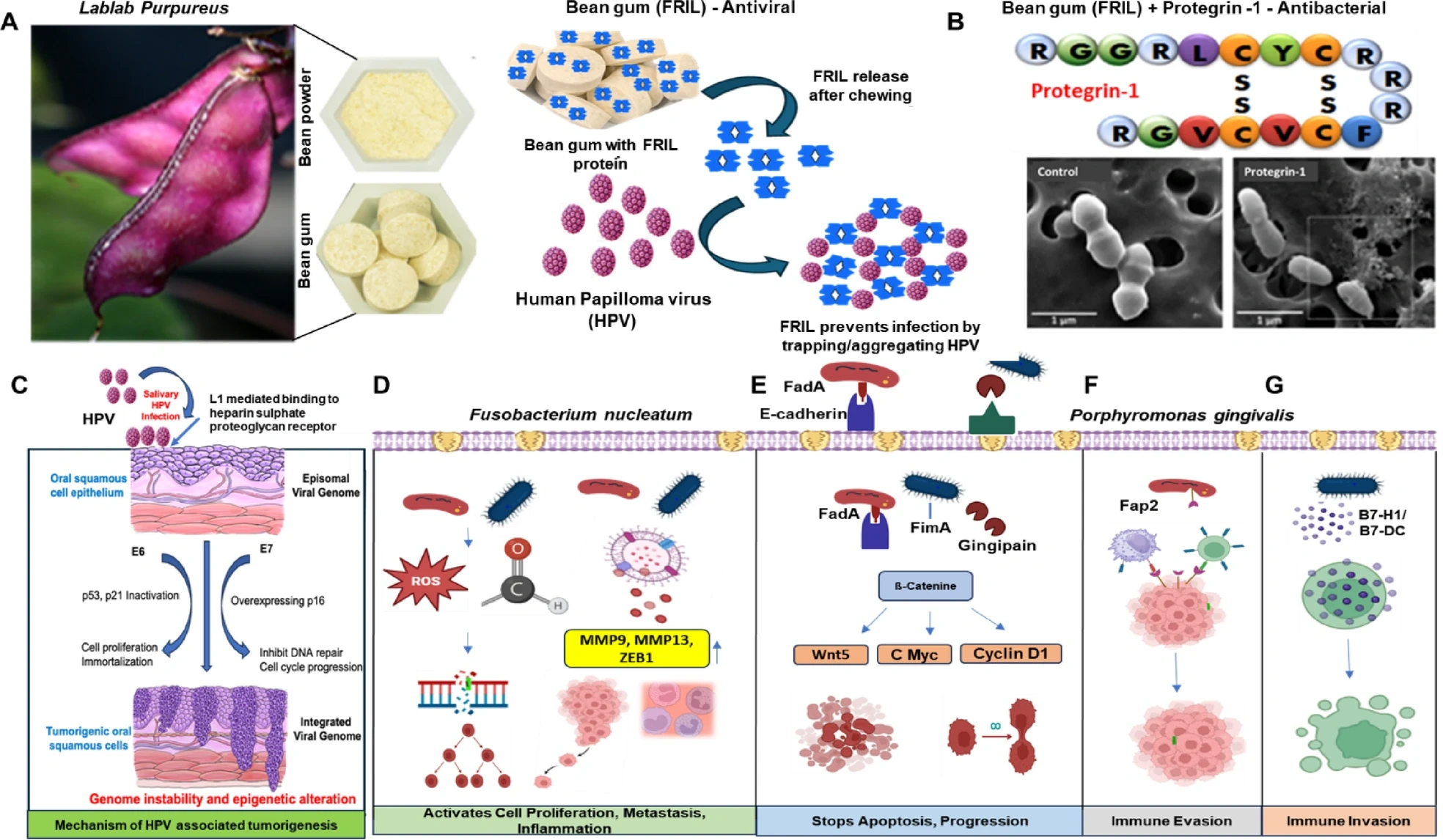
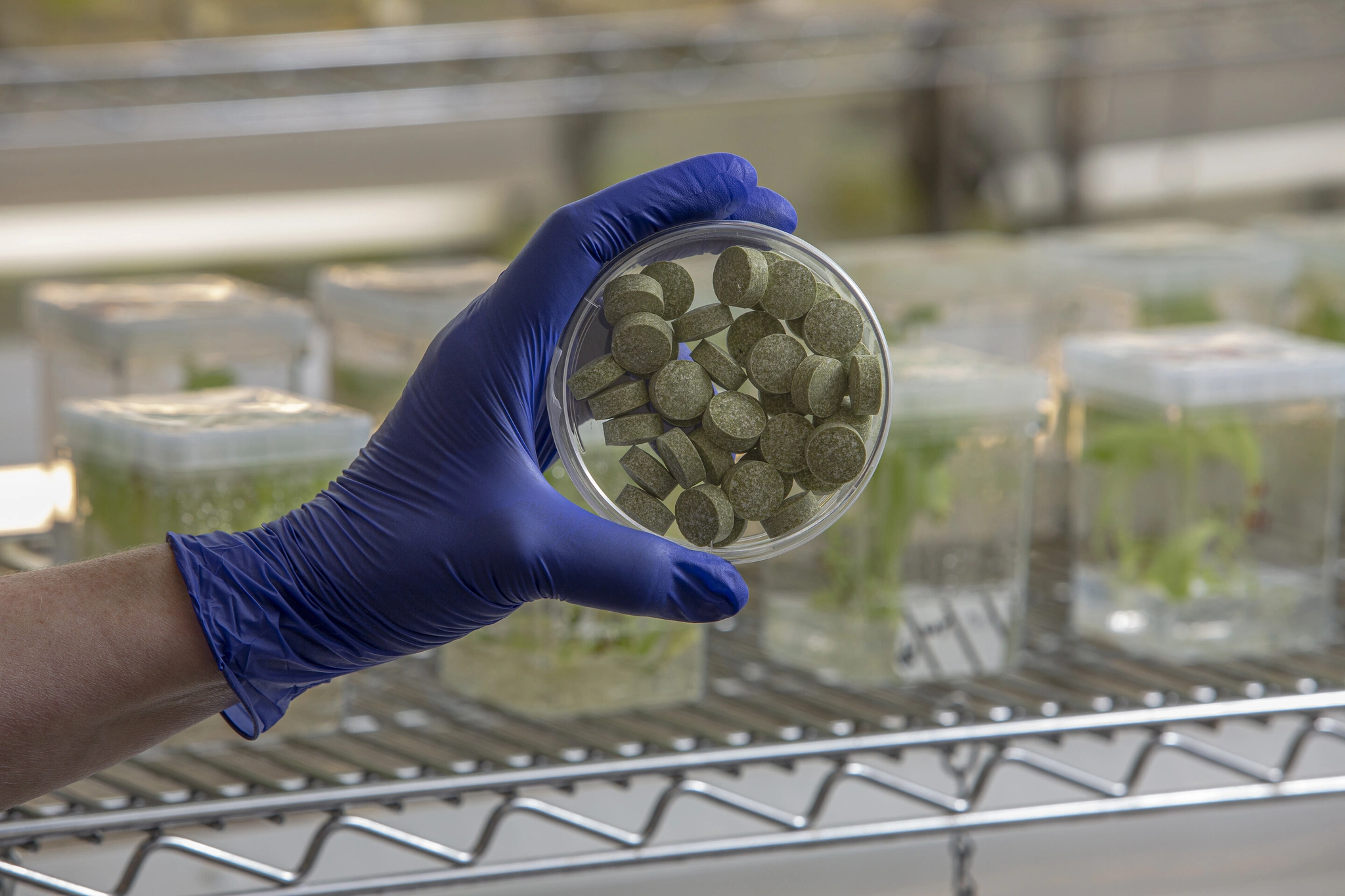
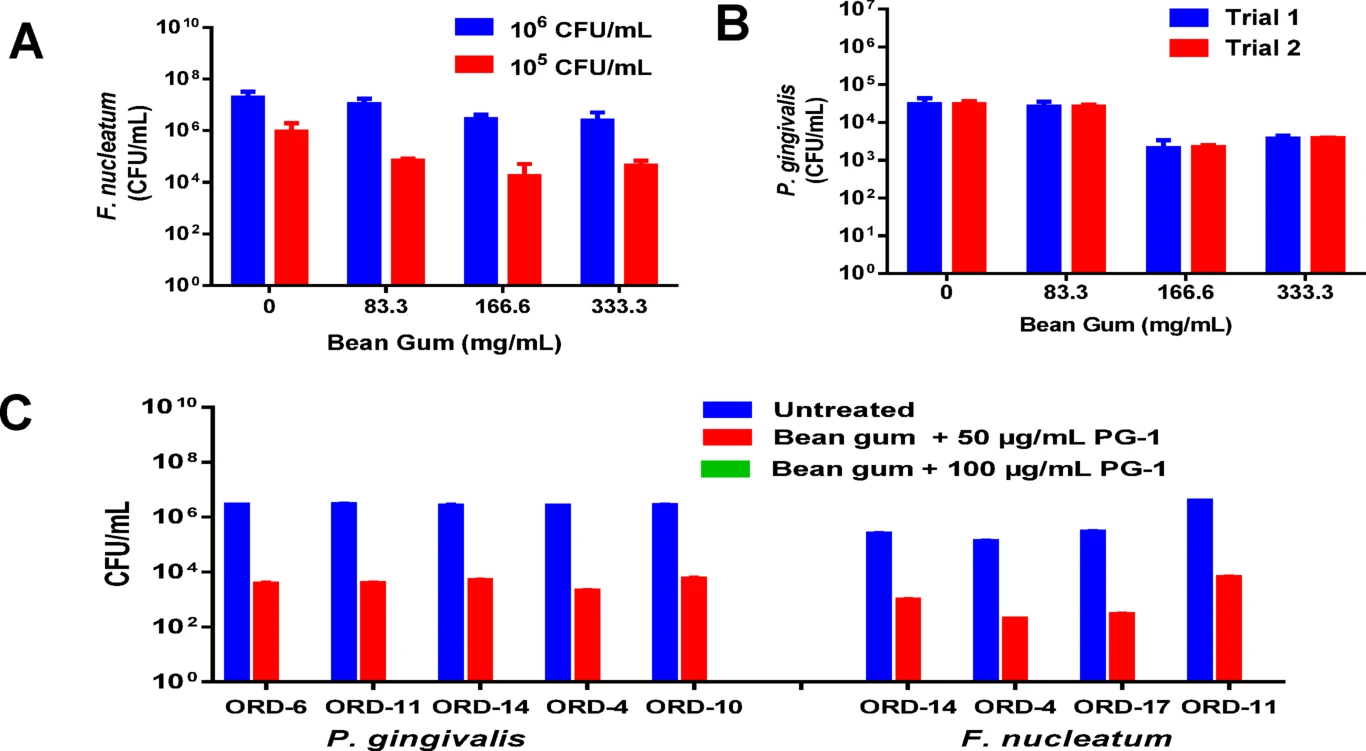
Building on previous research that developed chewing gum using laboratory-cultivated lablab beans, the research team conducted experiments targeting three cancer-associated microorganisms: human papillomavirus (HPV), Porphyromonas gingivalis (Pg), and Fusobacterium nucleatum (Fn). Professor Daniell stated that the global increase in oropharyngeal cancer is linked to HPV infection, while Pg and Fn infections can further worsen the survival outcomes of patients with untreated recurrent or metastatic oral cancer. Experimental data indicate that this legume-based chewing gum extract, containing the natural antiviral protein FRIL, can reduce HPV levels by 93% in saliva samples and by 80% in oral rinse samples. Based on this, the researchers further bioengineered the chewing gum to also contain the antimicrobial peptide protegrin. The results show that a single dose can reduce Pg and Fn levels to almost zero without affecting beneficial oral microbiota.
This specific clearance effect contrasts with traditional radiation therapy. While radiation therapy eliminates cancer cells, it often reduces beneficial bacteria and leads to an increase in the pathogenic yeast Candida albicans. Professor Daniell emphasized that in 2022, lip and oral cavity cancers ranked seventh globally in terms of incidence and mortality among adolescents, young adults, and middle-aged populations. Currently, China's first Expert Consensus on Neoadjuvant PD-1 Inhibitor Therapy for Locally Advanced Oral Squamous Cell Carcinoma has been released, aiming to standardize clinical treatment pathways. The research findings from Professor Daniell's team are expected to advance such therapies to clinical trials, serving as an adjunct to existing treatments or as a preventive measure against infection and transmission. This research received funding from institutions including the U.S. National Institutes of Health (NIH) and the U.S. National Cancer Institute Cancer Centers.
【GOODNEWS】 Content for industry reference only (based on public info & professional judgment); not for decision-making. Readers bear full responsibility for their own judgment and risks.
Copyright © This Platform. Unauthorized reproduction & commercial use prohibited.
Errata, contributions & cooperation: Contact customer service via WeChat:HDSW_001
|
✉️
Subscribe to Our
Newsletter
We curate important stories and exclusive insights, delivered straight to your inbox.
In-depth analysis · Exclusive content · Fast-moving news
|