University of Florida Discovers "Genetic Brake" for Periodontitis Pathogenic Bacteria, Holds Promise for Precise and Non-Destructive Microecological TreatmentIssuing time:2026-03-23 14:43
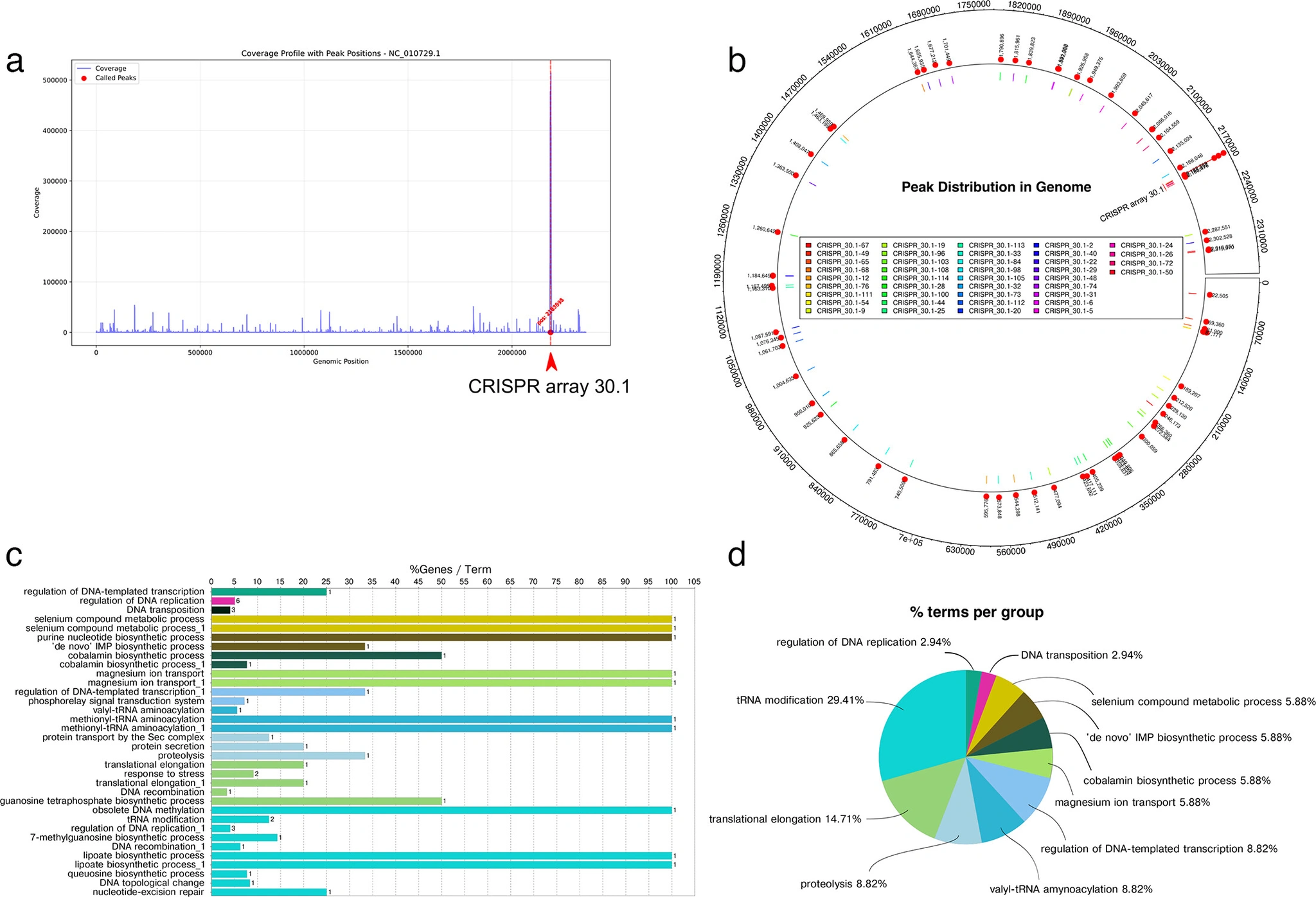
DentalGoodNews | The University of Florida recently announced that a study on Porphyromonas gingivalis published in Microbiology Spectrum reveals that this pathogen carries an internal "genetic brake" named CRISPR array 30.1. By targeting and locking this mechanism, it may be possible to precisely inhibit the progression of Periodontal Disease without disrupting the balance of the oral microbiome. A research team led by Dr. Jorge Frias-Lopez, an oral biologist at the University of Florida (UF) College of Dentistry, discovered that P. gingivalis, a primary pathogen in Periodontal Disease, not only uses the CRISPR system to defend against external viruses but also employs it for self-regulation. The identified CRISPR array 30.1 contains internal gene segments (spacers) that do not match any known viruses but instead correspond to the bacterium's own DNA. When researchers used gene-editing technology to delete this array, they found that P. gingivalis became abnormally aggressive. Experimental results showed that the mutant strain produced twice the amount of biofilm (a major component of dental plaque) compared to the wild-type strain. In a Galleria mellonella (greater wax moth) infection model, the mutant strain induced 50% mortality in just 130 hours, compared to 200 hours for the wild-type strain (P < 0.0001). Furthermore, the mutant strain triggered a stronger inflammatory response in human immune cells, leading to increased secretion of cytokines such as IL-6, CXCL1, CXCL2, and CXCL9. Dr. Jorge Frias-Lopez pointed out that this "self-inhibiting" survival strategy of P. gingivalis is extremely cunning. By keeping its aggressiveness below the threshold that would trigger a full-scale immune system attack, the pathogen can remain latent in the gums for long periods, transforming what could be a transient infection into a chronic inflammation lasting for years. Currently, conventional treatment for Periodontal Disease primarily relies on scaling and root planing to mechanically remove plaque or the use of antibiotics. However, antibiotics often indiscriminately kill beneficial bacteria in the oral cavity, leading to dysbiosis and the development of antibiotic resistance. Future precision therapies may utilize engineered bacteriophages (viruses specific to particular bacteria) to deliver specific CRISPR instructions into P. gingivalis, permanently locking its internal "genetic brake," thereby achieving therapeutic goals without disturbing the healthy microbiota. Researchers noted that Periodontal Disease is the leading cause of tooth loss in adults, affecting approximately 42% of people over 30 in the United States. It is estimated that Periodontal Disease costs the U.S. economy over $150 billion annually, and its pathogen toxins can enter the bloodstream, triggering systemic inflammatory diseases such as heart disease and diabetes. According to previous reports by DGN, the academic community has been exploring various precision intervention approaches, including leveraging the anti-inflammatory properties of antidepressants to reduce the risk of severe Periodontal Disease and using allogeneic dental pulp stem cell injections for minimally invasive regenerative therapy. This new discovery from the University of Florida provides foundational mechanistic support for targeted therapy against Periodontal Disease. According to official disclosure, this research was funded by the National Institute of Dental and Craniofacial Research (NIDCR), part of the U.S. National Institutes of Health (NIH) (Grant Number: DE029775). The researchers stated that although the laboratory data is promising, further validation is needed to translate this gene regulatory mechanism into clinical applications in humans.
Article classification:
Stomatology
【GOODNEWS】 Content for industry reference only (based on public info & professional judgment); not for decision-making. Readers bear full responsibility for their own judgment and risks.
Copyright © This Platform. Unauthorized reproduction & commercial use prohibited.
Errata, contributions & cooperation: Contact customer service via WeChat:HDSW_001
|
✉️
Subscribe to Our
Newsletter
We curate important stories and exclusive insights, delivered straight to your inbox.
In-depth analysis · Exclusive content · Fast-moving news
|