New Study: Nitrates May Alleviate Bone Loss, Offering New Targets for the Development of Regenerative MaterialsIssuing time:2026-02-25 00:56
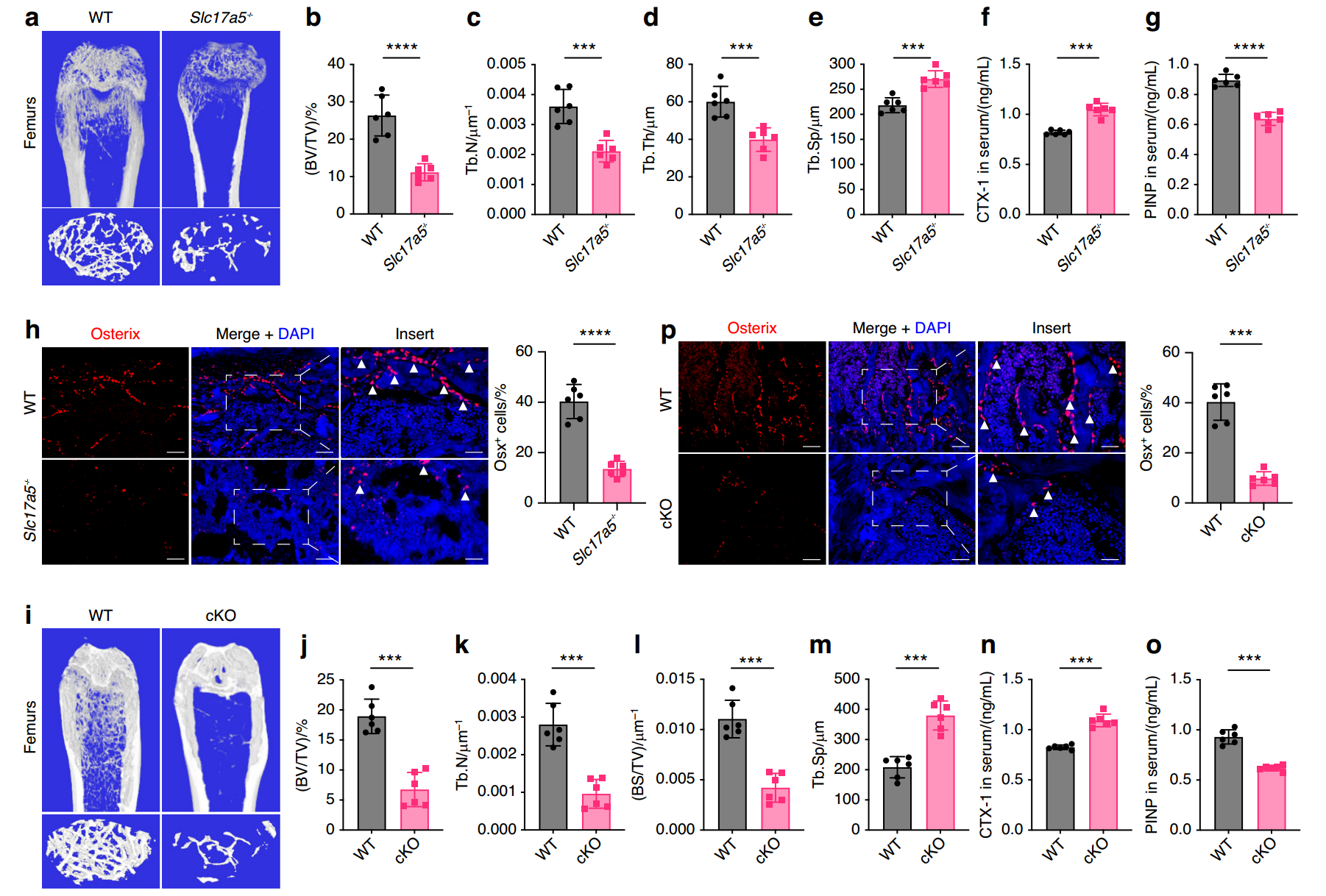
DentalGoodNews | Academician Wang Songling, Dean of the School of Medicine at Southern University of Science and Technology (SUSTech) and Director of the Beijing Laboratory of Oral Health at Capital Medical University, in collaboration with Professor Wang Xiaogang from Southern Medical University, recently published their latest research in the authoritative bone research journal Bone Research. The study reveals for the first time that nitrate can improve mitochondrial energy metabolism in senescent mesenchymal stem cells by upregulating Sialin expression and regulating mitochondrial energy metabolism via the Sialin-STAT3 axis, thereby enhancing their osteogenic differentiation capacity and alleviating age-related bone loss in animal models. As the population aging process continues, the burden of bone metabolic diseases such as osteoporosis is increasing. The decline in the osteogenic potential of bone marrow mesenchymal stem cells is considered an important cellular basis for the imbalance of bone homeostasis caused by aging, with mitochondrial dysfunction being a key limiting factor. By establishing genetic models, the research team found that when the Slc17a5 gene encoding the Sialin protein is deficient, the mitochondrial function of bone marrow mesenchymal stem cells is impaired, their osteogenic differentiation capacity is subsequently weakened, ultimately leading to decreased bone mass and impaired bone microstructure in experimental animals. Conversely, enhancing Sialin protein expression can improve mitochondrial function and promote osteogenesis. Further mechanistic studies indicate that Sialin is associated with pSTAT3 (S727 site) and regulates mitochondrial bioenergetic metabolism, providing energy support for stem cell differentiation towards the osteogenic lineage. In an aging-related osteoporosis model, nitrate supplementation was shown to upregulate Sialin expression, improve mitochondrial function and osteogenic potential in senescent stem cells, and alleviate the decline in bone mass and deterioration of bone microstructure at the whole-animal level. This series of findings reveals for the first time the functional link between inorganic salt signaling (nitrate) and mitochondrial energy metabolism at the molecular level, providing a new mechanistic basis for the regulation of bone homeostasis. The research was supported by multiple projects, including the National Natural Science Foundation of China, the Beijing Laboratory of Oral Health at Capital Medical University project funded by the Beijing Municipal Government, and the Beijing Scholar Program of the Beijing Municipal Government. According to the official website of Southern University of Science and Technology, Wang Songling currently serves as the Dean of the School of Medicine at SUSTech. He has twice received the National Science and Technology Progress Award (Second Class) as the first completer. His research areas encompass homeostasis medicine, dental and maxillofacial development and regeneration, and the diagnosis and treatment of salivary gland diseases.
【GOODNEWS】 Content for industry reference only (based on public info & professional judgment); not for decision-making. Readers bear full responsibility for their own judgment and risks.
Copyright © This Platform. Unauthorized reproduction & commercial use prohibited.
Errata, contributions & cooperation: Contact customer service via WeChat:HDSW_001
|
✉️
Subscribe to Our
Newsletter
We curate important stories and exclusive insights, delivered straight to your inbox.
In-depth analysis · Exclusive content · Fast-moving news
|